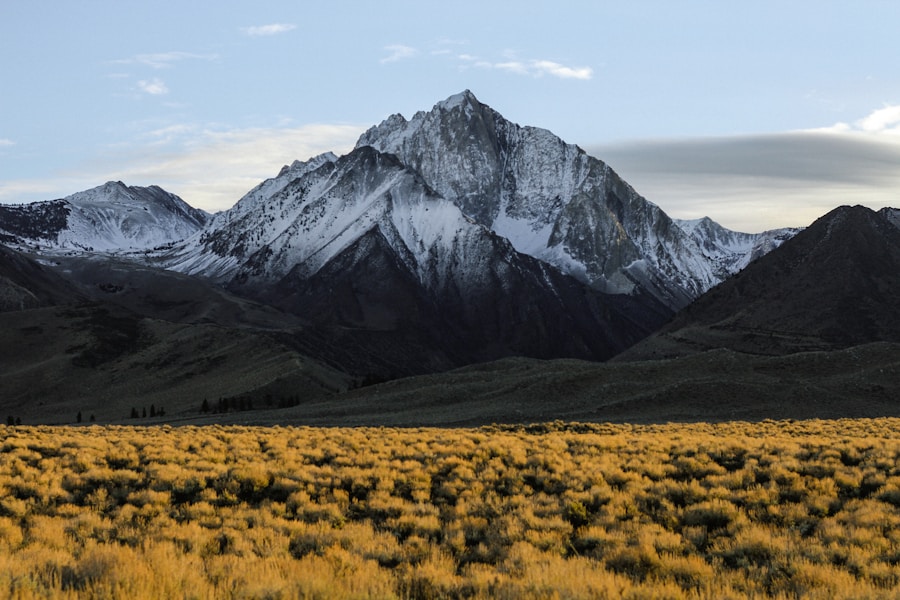
Dominating the horizon just northwest of the Kathmandu Valley, Ganesh Himal is an imposing sub-range of the central Himalayas, rising to 7,422 meters (24,350 ft) at its highest point, Ganesh I (Yangra). Formed by a massive massif that straddles the rugged border between north-central Nepal and Tibet, the range features four primary summits soaring above 7,000 meters: Ganesh I (7,422 m), Ganesh II (7,118 m), Ganesh III (7,110 m), and Ganesh IV (Pabil, 7,104 m).
Unlike the heavily commercialized trekking corridors of Annapurna or Everest, the Ganesh Himal remains one of the most secluded and culturally untouched wilderness regions in the country. Flanked by the roaring gorge of the Trishuli River to the east and the Budi Gandaki to the west, its colossal ice walls rise abruptly over deep subtropical valleys, creating staggering vertical relief visible from the hilltops of Kathmandu on clear winter mornings.
History: The 1955 Swiss-Franco Pioneer Ascent
The climbing history of Ganesh I is defined by early post-monsoon grit and technical determination. While early exploratory forays took place during the 1950s, the mountain fiercely defended its icy ridges against several attempts.
Official victory came on October 24, 1955, when a joint Swiss-French-Nepali expedition achieved the first ascent. The summit party—consisting of legendary Swiss alpinist Raymond Lambert, French climber Claude Kogan, and Eric Gauchat—tackled the mountain’s hazardous Southeast Face and East Ridge. Claude Kogan's ascent was hailed as a historic milestone in high-altitude mountaineering, making her one of the earliest pioneering women to conquer a formidable 7,000-meter Himalayan summit.
Myth & The Elephant Deity: Hindu & Tamang Lore
The name of the massif is rooted deeply in Hindu mythology and indigenous Himalayan spirituality:
- The Elephant Head of Lord Ganesha: When viewed from the south—particularly around the ridges of Dhading and Nuwakot—the profile of the massif, notably the curving south ridge of Ganesh IV (Pabil), bears a striking resemblance to the head and trunk of Lord Ganesha, the revered elephant-headed Hindu deity of wisdom, beginnings, and the remover of obstacles. Devotees believe the mountain radiates divine blessings of protection, prosperity, and safe travel across the middle hills.
- The Ruby Mountain (Lapa & Ruby Valley): In local folklore, the Ganesh Himal is celebrated as the "Jeweled Mountain." The upper valleys, particularly around Lapa and Borang, are historically famous for rich natural deposits of precious minerals, crystal quartz, and vibrant red rubies. Local shamans (Jhankris) teach that these gems are drops of divine celestial dew frozen into stone by the mountain gods.
The Buddhist Legacy: Padmasambhava’s Sanctuaries & Jhankri Rituals
The Ganesh Himal region is a fascinating cultural crossroads where Tibetan Buddhism blends harmoniously with ancient animist and shamanic traditions:
- Tamang & Ghale Spiritual Roots: The trails wind through ancient stone-and-timber villages inhabited by the Tamang and Ghale peoples, who trace their cultural lineages to early Tibetan migrants. Every settlement features white-washed chortens, hand-carved prayer walls (mani), and colorful prayer flags (lungta) sending blessings across the river canyons.
- The Living Shamanism (Jhankris): During the auspicious full moon of Janai Purnima in August, hundreds of faith healers and shamans (Jhankris) from across Nepal journey to the sacred high-altitude lakes of Ganesh Himal—such as Kalo Kunda (Black Lake) and Seto Kunda (White Lake). Clad in white robes, feathered headdresses, and beating ritual drums (dhyangro), they dance around the glacial waters to renew their spiritual healing powers.
Biodiversity: Flora & Fauna of the Ruby Valley
Because the Ganesh Himal basin receives ample monsoon moisture and experiences limited tourist foot traffic, its wilderness remains exceptionally vibrant:
- Flora: The lower valleys feature dense, mossy cloud forests of oak, chestnut, and bamboo. In spring, the trails explode into a kaleidoscopic sea of wild rhododendrons, showcasing species in scarlet, pink, and white. Higher up, the forests transition to silver fir, larch, and high-altitude birch, finally surrendering to aromatic dwarf juniper scrub (sunpati) and wild alpine medicinal herbs like Panchaule and Jatamansi.
- Fauna: The dense bamboo understory is prime undisturbed habitat for the endangered Red Panda (Ailurus fulgens). Across the higher cliffs and screes, herds of Himalayan Tahr (wild mountain goats) graze alongside shy musk deer. The untamed moraines and rocky passes are roamed by the elusive Snow Leopard, while lammergeiers (bearded vultures) and Himalayan griffons ride the thermals above the gorges.
Mountain Fuel: Tamang Hearth & Wild Herbal Nourishment
Trekking through the Ruby Valley and Ganesh Himal means dining on authentic, organic village cooking straight from the kitchen hearth:
- Dheedo with Local Kukhura ko Jhol: A steaming mound of dense Dheedo (made by stirring buckwheat or millet flour into boiling water) eaten with hearty, free-range local chicken curry spiced with garlic, ginger, and wild mountain herbs.
- Sisno (Stinging Nettle Soup): Tender young leaves of wild stinging nettle harvested from forest paths, dried, and simmered with roasted garlic and corn flour into a rich, iron-packed green soup celebrated for stamina and warmth.
- Gundruk Bhat & Soybean Chutney: Fermented and sun-dried mustard greens (Gundruk) cooked with potatoes and dry chilies, paired with generous mounds of steaming rice and a roasted soybean dip.
The Trek: The Remote Ruby Valley & High Passes
The trek around Ganesh Himal—often called the Ruby Valley Trek—is a true off-the-beaten-path gem:
- The Route: The trail typically starts from Syabrubesi (linking with the Langtang trail) or Dundure/Bhalche in Dhading, traversing scenic high ridgelines through Gatlang, Somdang, Tipling, and Lapa.
- The Pangsang Pass (3,850 m): The undisputed highlight of the trek is crossing the Pangsang La (Pangsang Pass). On a clear morning, this grassy saddle offers a jaw-dropping, uninterrupted panorama of the entire Ganesh Himal wall rising immediately in front of you, with the Langtang range to the east and the towering summit of Manaslu to the west.
- Trail Character: The trek relies largely on rustic family homestays and community lodges. It requires an adventurous spirit, moderate fitness, and a love for genuine cultural interaction far removed from commercial tourist centers.
Best Seasons:
- Autumn (October – November): Crisp, cloudless skies, razor-sharp mountain vistas from Pangsang Pass, and golden terrace fields ready for harvest.
- Spring (March – May): Roaring waterfalls, hillsides blanketed in blooming red rhododendrons, and mild daytime temperatures.
Ganesh Himal is one of Nepal’s best-kept secrets. Named after the remover of obstacles, it rewards those who seek roads less traveled with raw mountain power, sacred shamanic traditions, and warm Tamang hospitality. To stand atop the windswept crest of Pangsang Pass, watching the dawn sun ignite the snowy tusk-like ridges of Ganesh Himal while prayer flags whip in the silence, is to experience the high Himalayas in their purest, most authentic form.